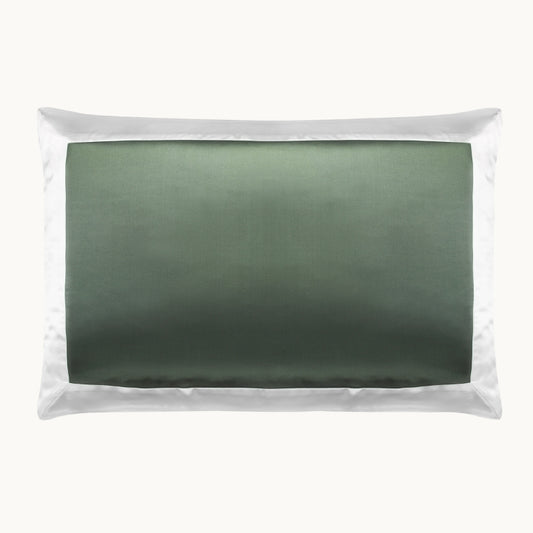
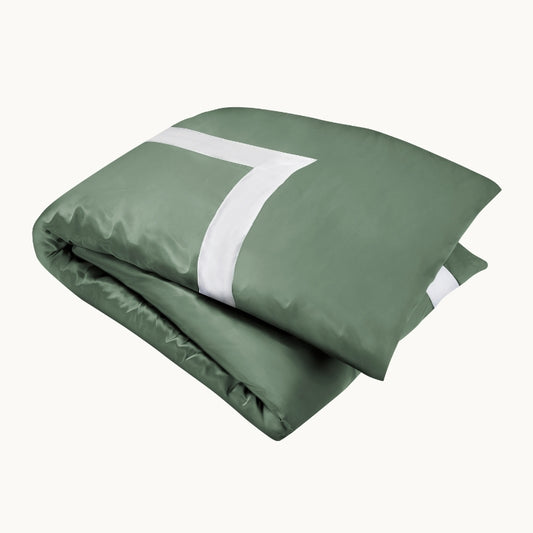
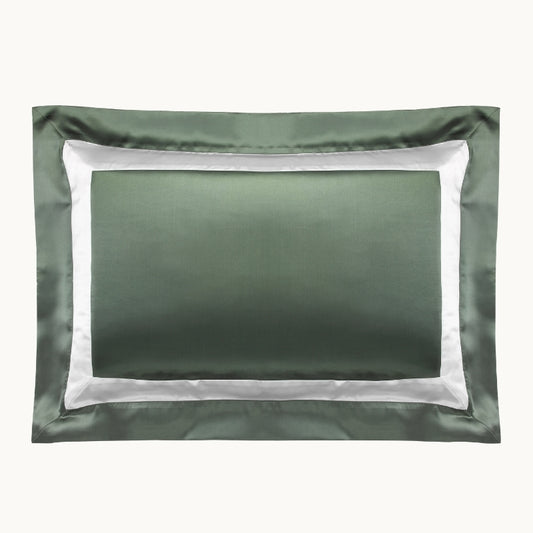
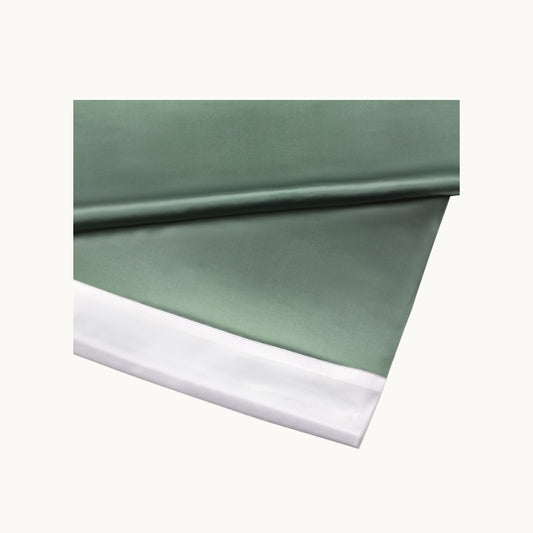
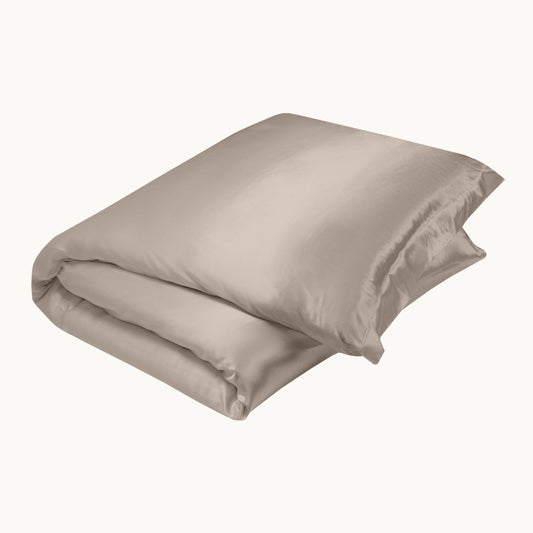
How to Wash Silk Bedding: The Complete Silk Care Guide
Learning how to wash silk bedding correctly protects an investment that, cared for well, should outlast almost anything else in a linen closet. Pure silk pillowcases, duvet covers, and sheets are more forgiving than their reputation suggests – most go straight in the washing machine – but silk-filled duvets and comforters follow a different set of rules entirely, and mixing the two up is the most common way a silk collection gets ruined.
As silk specialists for more than twenty years, we've built this guide to cover every piece in a silk bedding collection: pure silk linen, silk-filled duvets and comforters, mattress toppers, bedspreads, throws, and nightwear, plus drying, storage, and the fixes for problems that turn up along the way. If a silk-safe detergent is the missing piece, our Liquid Silk Wash was formulated specifically for this.
Quick Summary:
Silk bed linen (pillowcases, duvet covers, and sheets) is machine washable on a delicate or hand-wash cycle at 86°F (30°C) or below, using a pH-neutral silk detergent. Silk-filled duvets and comforters are the exception: never machine wash or hand wash them. Use a washable cover instead, and they'll rarely need cleaning at all.
|
Item
|
Wash Method
|
Temperature
|
Notes
|
|
Silk pillowcases & sheets
|
Machine or hand wash
|
86°F (30°C) or below
|
Delicate/hand-wash cycle, pH-neutral detergent
|
|
Silk duvet covers
|
Machine or hand wash
|
86°F (30°C) or below
|
Wash inside out, line dry
|
|
Silk-filled duvets & comforters
|
Do not wash
|
N/A
|
Use a washable cover; air occasionally; professional clean only if needed
|
|
Silk mattress toppers & protectors
|
Do not wash
|
N/A
|
Air outside; spot clean; professional clean for anything thorough
|
|
Silk bedspreads, blankets & throws
|
Usually dry clean only
|
N/A
|
Light throws may be hand washed if the care label allows
|
|
Silk pyjamas & accessories
|
Machine or hand wash
|
86°F (30°C) or below
|
Wash individually; low-heat iron with steam
|
Quick Navigation
How to Wash Silk Bed Linen
Silk bed linen only needs a few adjustments to a normal wash routine. The sections below set out the general approach, then walk through pillowcases, duvet covers, and sheets in turn.
Can You Machine Wash Silk, or Should You Hand Wash It?
Both machine washing and hand washing silk bed linen are safe, and each has its advantages. Machine washing is the more convenient of the two; hand washing gives more control over embellished or particularly delicate pieces. The temperature and detergent rules are the same either way – see below.
For hand washing, work with cold water in a basin, a small amount of pH-neutral detergent, and gentle movement – no scrubbing, no rubbing, and nothing left to soak for more than a few minutes. A couple of rinses in fresh cold water is usually enough to clear the detergent completely.
What Temperature and Setting Should You Wash Silk On?
Wash silk at 86°F (30°C) or below, on a hand-wash or delicate cycle with a low spin, using a silk-safe, pH-neutral detergent. Heat is what damages silk; it hardens the fibers and dulls the sheen – so cooler water is always the safer choice. If in doubt, cold water and a short, gentle cycle will never do harm. This applies across the board: silk pillowcases, duvet covers, and sheets all follow the same rule.
How to Wash a Silk Pillowcase or Silk Duvet Cover

Gingerlily's silk pillowcases and silk duvet covers are woven from 6A-grade mulberry silk, and that quality is exactly why they need a little more care than a cotton pillowcase would. Treat the fibers gently and they'll keep the benefits that make silk worth choosing in the first place – the smoothness that protects skin and hair starts with how well the fabric is looked after.
Beyond the temperature and detergent basics above, a few extra steps help protect the fabric:
- Turn it inside out and place it in a mesh laundry bag to guard against snagging.
- Wash silk separately, or with similar colors only, to prevent color transfer.
- Remove it promptly and hang or lay it flat away from direct heat and sunlight.
Duvet covers are larger and drop their creases more easily if hung to dry rather than folded over a rail.
How to Wash Silk Sheets
Washing silk sheets follows the same principles as pillowcases and duvet covers. Silk sheets are thin and wash quickly, so the same low-temperature delicate cycle applies. For flat and fitted sheets, hang them to dry instead of folding them over a rail – this helps drop out creases and avoids setting a fold line into the fabric.
Can You Wash a Silk Duvet – or Comforter?
This is the question that causes the most confusion in silk care, because it depends entirely on which part of the duvet is meant. Washing a silk duvet cover and caring for a silk-filled duvet (what many US shoppers call a silk comforter) are two completely different jobs.
A silk duvet cover is machine washable, exactly like the rest of a pure silk bed linen collection – see the washing steps above. A silk-filled duvet or comforter is a different matter entirely, and should never be machine washed or hand washed. The silk floss inside is a natural fiber that can clump, shift, or break down when it's soaked and agitated, and washing it at home risks ruining the filling permanently.
What makes this manageable in practice is that a silk-filled comforter almost never needs a full wash. Left inside a removable cover, Gingerlily's silk-filled duvets stay clean on their own for the most part, since the fill itself is naturally hypoallergenic and resists the buildup that would otherwise call for laundering.
A short routine covers most of what a filled duvet or comforter needs:
- Keep it inside a washable duvet cover at all times, and launder the cover on the same schedule as the rest of the bed linen.
- Hang it outdoors on a dry day every so often, out of direct sun, so trapped moisture can escape and the filling stays lofted.
- Treat marks by hand, on the spot only, with a barely damp cloth, and let the area dry naturally before using the duvet again.
-
Reserve professional cleaning for the rare occasion a deeper wash is unavoidable – it isn't a job for a home washing machine.
These same steps carry over to silk-filled pillows and to comforters of any weight, from a lightweight summer duvet up to the heaviest winter option.
How to Wash Silk Mattress Toppers and Protectors
The washing machine is off-limits for silk mattress toppers and protectors, for the same reasons it's off-limits for a silk-filled comforter – and for the same reason, it's rarely missed. Silk naturally resists dust mites, which keeps these pieces cleaner for longer than most other bedding materials.
An occasional airing outdoors does most of the work: it keeps the topper's shape and loft without any washing at all. Address a stain by working a damp cloth over that one spot and letting it air dry, and reserve professional cleaning for anything a spot treatment can't handle.
How to Wash Silk Bedspreads, Blankets and Throws
Silk bedspreads, blankets and throws are usually best left to a dry cleaner. The combination of fabric weight, layered construction, and detailed stitching found in most bedspreads doesn't hold up well to a washing machine's agitation.
A lighter throw is a different story – weight and construction decide whether it's safe to wash at home. Check the care label first; if hand washing is allowed, use cold water, skip the wringing, and dry it flat rather than on a line, since wet fabric under its own weight can stretch out of shape. Quilting, embroidery, or extra bulk are all reasons to send a piece to a dry cleaner instead. A stain, meanwhile, responds well to a gentle spot treatment followed by air drying, without disturbing the surrounding fabric.
How to Wash Silk Pyjamas and Accessories
The same cool-water, gentle-detergent approach used for silk bed linen applies to nightwear and accessories too. Keep pyjamas in their own load rather than mixing them with other fabrics, which protects both the color and the fibers from anything rougher in the wash. A steam iron on a medium setting, used after washing, restores the sheen and smooths out any creases.
How to Dry Silk Sheets and Bedding
Heat is the real enemy here, more than water ever is – so drying silk comes down to keeping it away from both direct heat and direct sun. A dryer does both at once, which is exactly why it's worth avoiding.
Putting silk sheets through a tumble dryer isn't a good idea: the combination of heat and tumbling weakens the fibers, flattens the sheen, and can shrink the fabric over time. When a dryer really is the only option available, the air-only or no-heat cycle is the safer setting, and pulling the item out while it's still a little damp helps limit the damage.
Line drying gets the best results for pillowcases, sheets, and duvet covers alike – just keep the line or rack somewhere shaded, since sun exposure fades color and breaks down fiber strength over repeated washes. Skip the wringing altogether; instead, sandwich the wet item in a dry white towel and press firmly to draw out the excess water before hanging it or laying it flat to finish.
What Detergent Should You Use for Silk?

Detergent choice probably matters more than any other decision in this whole process. Silk fibers are a natural protein, and anything sitting too far toward acidic or alkaline on the pH scale will gradually stiffen them – so a gentle, pH-neutral formula made for silk or delicates isn't optional, it's the baseline.
A few products belong nowhere near a silk wash load: fabric softener leaves a coating that flattens the sheen, bleach and optical brighteners cause discoloration over time, and enzyme-based detergents are actively counterproductive, since their whole purpose is breaking down the same protein structure silk is made from.
We recommend Gingerlily's Liquid Silk Wash, developed specifically as a gentle, mild detergent for silk bedding and linen that cleans without the damage most standard detergents cause.
How Often Should You Wash Silk Bedding?
A once-a-week wash suits silk pillowcases well, since they're in direct contact with skin and hair every single night. Sheets and duvet covers can stretch to every one to two weeks, which lines up with typical bed linen habits generally. Filled pieces (comforters, pillows, mattress toppers) don't belong on any wash schedule at all; an occasional airing covers everything they need.
One extra step worth building in: run new silk bedding through a wash before it ever touches the bed. Manufacturing leaves behind a light residue that a first wash clears away, leaving the fabric at its softest from day one.
How to Store Silk Products
Silk left sitting in the wrong conditions can develop mold or discoloration that's difficult to reverse, so how it's stored between uses matters almost as much as how it's washed. Cotton bags or boxes, with acid-free tissue paper folded in alongside the fabric, are the safer choice for anything going into storage.
Plastic containers are the one thing worth ruling out entirely – they hold moisture in, which leads to yellowing and gives insects exactly the environment they're drawn to. Cotton, by contrast, lets the fabric breathe and holds its color better over time; a lavender or cedar sachet tucked inside adds a pleasant scent as a bonus. This matters most for anyone rotating between silk comforters by season – summer, all-seasons, winter, or a combined pair fastened together with the button-and-tie system – since whichever weight isn't currently on the bed will be sitting in storage for months at a stretch.
Common Silk Care Problems and How to Fix Them
A handful of issues turn up often enough to be worth troubleshooting in advance.
-
Creases after washing. Most drop out on their own if the item is hung up while still slightly damp. Anything stubborn responds to a medium-heat iron with plenty of steam, worked on the reverse side of the fabric.
-
Sheen that's gone flat or dull. Heat, a harsh detergent, or optical brighteners are almost always the culprit. A cooler wash with a pH-neutral silk detergent typically brings the shine back over the next few washes.
-
A fresh stain or spill. Speed matters more than technique – blot it right away with a clean white cloth, resisting any urge to rub, then work a small amount of detergent gently into just that spot and let it air dry.
-
Yellowing over time. This points to storage rather than washing. Switching from plastic to cotton storage with acid-free tissue paper usually stops it from progressing further.
-
A comforter that's gone flat or heavy. Trapped moisture is the likely cause – an afternoon outside on a dry day, out of direct sun, lets the filling breathe and regain its loft.
-
Snags or pulled threads. A mesh laundry bag prevents most of these in the machine, and it's worth taking off rings and other jewelry before handling silk by hand.
The Gingerlily Standard of Care
None of this washing and storing routine stays complicated for long – after the first cycle or two, it becomes second nature, and the reward is bedding that still looks and feels new a decade in. That longevity is really the point of choosing 6A-grade mulberry silk in the first place: it's a material built to be lived with for years, not replaced every few seasons.
Gingerlily has spent more than twenty years designing silk bedding in London and getting exactly this kind of detail right, from the silk-filled comforters that hold their loft to the bed linen that keeps its sheen wash after wash. Reach for our Liquid Silk Wash whenever a piece needs cleaning, and for a closer look at why the fabric performs this well in the first place, Gingerlily's Complete Guide to Mulberry Silk is the next place to look.
FAQs: Caring for Silk
Does washing silk shrink it?
Silk can shrink if it's washed in hot water or dried with heat. Washing at 86°F or below and air drying flat or on the line, away from direct heat and sunlight, keeps silk bedding at its original size and shape.
Can silk sheets be ironed?
Yes, silk sheets and pillowcases can be ironed on a low or silk setting while the fabric is still slightly damp, ideally with a press cloth between the iron and the silk to prevent scorching. Most creases also drop out on their own within a day or two of use, so ironing is optional rather than essential.
What's the best way to remove sweat stains from silk pillowcases or sheets?
Treat a sweat stain as soon as you spot it, using a small amount of silk-safe detergent diluted in cool water and worked gently into just the stained area with a clean cloth – never hot water, which can set protein-based stains like sweat permanently into the fibers. Rinse with plain cool water and let it air dry; a stain that's already set may need a couple of repeat treatments rather than one aggressive scrub.
What should you do if you accidentally machine wash a silk-filled duvet or comforter?
Stop the cycle if it's still running, and don't put the duvet in the dryer to speed things up. Once it's out of the machine, lay it flat to air dry and gently reshape and fluff the filling by hand at intervals as it dries – some clumping is still likely, and a professional silk cleaner is usually the only way to fully redistribute the fill afterward. A washable duvet cover is the simplest way to make sure this doesn't happen twice.
Can a silk-filled duvet or comforter be dry cleaned?
Yes – professional dry cleaning is the right option for a silk-filled duvet or comforter that needs more than spot cleaning and regular airing. It's worth choosing a cleaner with specific experience in silk-filled bedding rather than a general dry cleaner, since not every facility handles silk floss filling the same way.
Can silk bedding be washed with other laundry?
No – silk should always go through the wash on its own, separate from cotton, synthetics, or anything with zippers, buttons, or Velcro. Rougher fabrics and hardware can snag or abrade silk's delicate fibers even on a gentle cycle, so a silk-only load (with a mesh laundry bag for extra protection) is the safer approach every time.