Silk for hair is one of the most searched topics in sleep and beauty right now, and for good reason. Silk is a smooth, natural protein fiber that reduces the friction responsible for breakage, frizz and split ends, while helping your hair hold onto its natural moisture overnight. As silk specialists with over 20 years of experience, we are asked about silk hair benefits more than almost anything else. This guide covers exactly how silk works for hair, which products genuine...

Silk for Hair: The Complete Guide to Healthier Hair
Silk for Hair: The Complete Guide to Healthier Hair
Updated on 19 October 2026Silk for hair is one of the most searched topics in sleep and beauty right now, and for good reason. Silk is a smooth, natural protein fiber that reduces the friction responsible for breakage, frizz and split ends, while helping your hair hold onto its natural moisture overnight. As silk specialists with over 20 years of experience, we are asked about silk hair benefits more than almost anything else. This guide covers exactly how silk works for hair, which products genuinely help, how to choose between them, and what silk can and cannot do for your hair.
Quick Navigation
- Is Silk Good for Your Hair?
- Silk or Satin for Hair: Which Is Better?
- Why Is Silk Good for Your Hair?
- The Best Type of Silk for Hair
- Will Silk Help My Hair Type?
- Silk Hair Accessories: Pillowcases, Hair Wraps and Scrunchies
- How to Use Silk for Hair
- Does Sleeping on Silk Help Hair Growth?
- How Long Does It Take to See Results?
- Frequently Asked Questions
Is Silk Good for Your Hair?
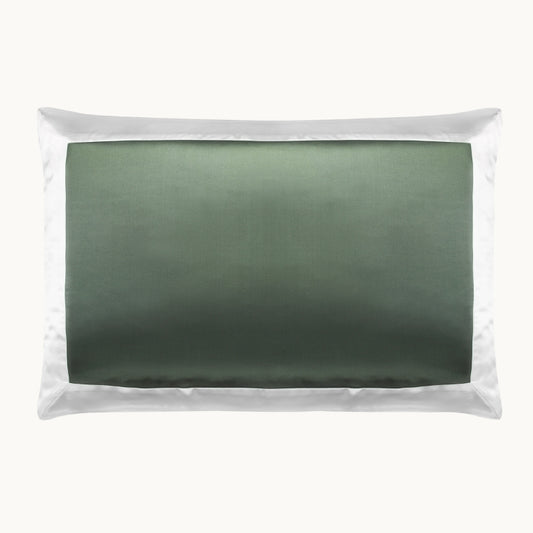
Yes, silk is good for your hair. The reason comes down to two things: friction and moisture. Ordinary cotton pillowcases have a slightly textured surface that grips the hair as you move during the night. That resistance is what causes breakage, tangles, frizz and split ends to accumulate over time. Silk fabric works differently. Its smooth, continuous natural fibers allow hair to glide rather than snag, dramatically reducing the mechanical stress placed on each strand overnight.
Beyond friction, silk absorbs significantly less moisture than cotton. That matters because cotton draws moisture away from your hair as you sleep, leaving it drier and more prone to damage by morning. A silk pillowcase helps your hair hold onto its natural oils and hydration throughout the night. The result is smoother, calmer, better-protected hair, with no change to your existing routine.
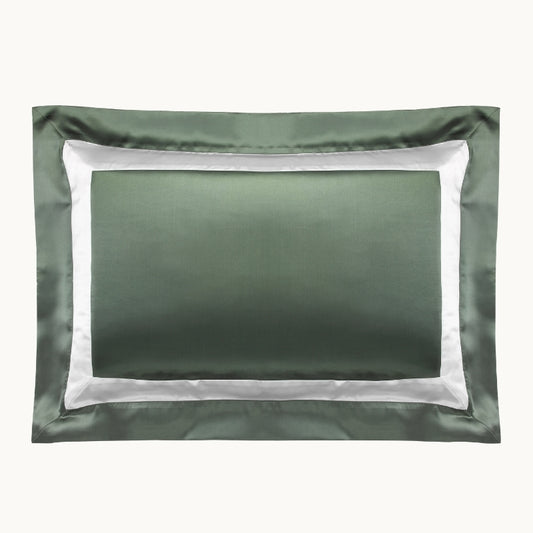
Browse Gingerlily silk pillowcases
Silk or Satin for Hair: Which Is Better?
This is one of the most common questions in hair care, so it is worth answering clearly. Satin or silk for hair, the answer, almost always, is silk.
Understanding why silk is better for your hair than satin starts with understanding what satin actually is. Satin is not a material; it is a type of weave. Most satin products on the market are made from polyester, a synthetic fabric that mimics silk's surface sheen but shares none of its natural fiber properties. Polyester satin does reduce friction compared to cotton, which offers a genuine benefit for hair. But that is where the comparison ends.
Genuine mulberry silk is a natural protein fiber. Its smooth surface reduces friction at least as effectively as satin, but it also helps hair retain moisture, stays breathable throughout the night, and carries natural hypoallergenic properties that synthetic satin cannot replicate. Polyester satin traps heat and moisture against the hair and scalp, which can lead to a warmer, more humid sleeping environment, not ideal for hair health or scalp condition.
For a full breakdown of the differences, see our guide to silk vs satin pillowcases.
Why Is Silk Good for Your Hair?
The benefits of silk for hair are rooted in its material properties as a natural protein fiber. Here is what that means in practice.
Frizz Control and Breakage Prevention
Frizz and breakage are largely friction problems. Every time your hair moves against a rougher surface overnight, the cuticle, the outermost layer of the hair shaft, is disturbed. Over time, that repeated disruption leads to raised cuticles, frizz, split ends and snapped strands. Silk's smooth fiber surface eliminates most of that friction, which is the core mechanism behind its reputation for frizz control and hair damage prevention. Research summarised by the Textile Research Institute has demonstrated measurably lower friction between silk and hair than between cotton and hair.
Moisture Retention
Silk fabric absorbs far less moisture than cotton, which means it does not draw the natural oils and hydration out of your hair as you sleep. For dry, damaged or color-treated hair, this overnight moisture retention is particularly valuable. Hair that retains its natural moisture is more elastic, more resilient and less prone to breakage.
Shine Enhancement
Because silk allows the hair cuticle to lie flat rather than disturbing it overnight, hair tends to look smoother and more reflective in the morning. Shine enhancement is a direct result of a calmer, less disrupted cuticle surface. It is the same reason hair looks better after a good night on silk than after a night on cotton.
Scalp Health
Silk is naturally hypoallergenic. The sericin protein present in mulberry silk is inherently resistant to dust mites, mold and common allergens, making it a gentle material for the scalp as well as the skin. For anyone with a sensitive scalp or scalp conditions aggravated by allergens, this is a meaningful, often overlooked benefit of silk fabric for hair health.
Read Our Complete Guide to Mulberry Silk
The Best Type of Silk for Hair
The best type of silk for hair is mulberry silk, specifically, long-strand mulberry silk at the highest available grade.
Why is mulberry silk good for hair?
Mulberry silk is produced by silkworms fed exclusively on mulberry leaves, which results in a longer, finer, more uniform fiber than other silk varieties. That consistency is what gives mulberry silk its characteristic smoothness and durability, both of which directly benefit hair.
Within mulberry silk, quality is graded from A to 6A, with 6A being the highest classification. At Gingerlily, all silk products are made from 6A grade, long-strand mulberry silk. For a pillowcase, look for a momme weight of 19 to 25, momme is the weight measurement specific to silk fabric, and a higher number indicates a denser, more durable weave. Below 19 momme, silk can feel thin and wear quickly with regular use. OEKO-TEX certification is also worth looking for, as it confirms the fabric has been tested for harmful substances.
Charmeuse, habotai and other silk weaves do exist, but for hair care purposes, the fiber quality and momme weight matter far more than the weave type. A 6A grade, 19-momme mulberry silk pillowcase will outperform a lower-grade alternative regardless of how it is woven.

Will Silk Help My Hair Type?
Silk suits every hair type. Whether your hair is curly, coily, textured, fine, thick, straight or color-treated, the core principles of reduced friction and improved moisture retention apply across the board.
Silk for curly hair is particularly well established. Curly and coily hair types tend to be drier and more prone to frizz because the natural oils from the scalp have a harder time traveling down a curved strand. Silk for natural hair helps address both problems: it reduces friction so curls and coils keep their shape and definition overnight, and it helps the hair hold onto the moisture it needs to stay healthy. This is why silk pillowcases and hair wraps have become a staple in natural hair care routines.
For fine or thinning hair, silk's gentle material surface reduces the mechanical stress that makes fragile strands more vulnerable. For color-treated or chemically processed hair, which is inherently more porous and prone to damage, silk's low-friction, moisture-retaining surface offers meaningful protection. For thick or naturally frizzy hair, the difference in morning texture after sleeping on silk is often immediate and noticeable.
Whatever your hair type, the principle is consistent: less friction, better moisture retention, healthier-looking hair over time.
Silk Hair Accessories: Pillowcases, Hair Wraps and Scrunchies

A silk pillowcase protects your hair where it rests. Silk hair accessories protect it wherever you move, which is why many people use both. Gingerlily's luxurious hair accessories are all made from 6A grade, 100% mulberry silk.
Silk Hair Wrap
A silk hair wrap for sleeping encloses and protects the whole head, making it particularly well suited to curly, coily, textured or longer hair that tangles easily overnight. It holds the hair in place, shields it from friction against the pillow, and helps keep moisture locked in, so styles last longer and hair feels smoother by morning. For anyone who moves a lot during sleep, a wrap offers more complete protection than a pillowcase alone.
Silk Scrunchies for Hair
A silk scrunchie is a straightforward daytime upgrade with a meaningful impact on hair health. Standard elastics grip the hair tightly, creating tension and friction that leads to dents, breakage and snagging over time. A silk scrunchie holds the hair comfortably with far less friction and pressure, making it a genuinely gentle alternative for everyday use. It suits fine, thick, curly and textured hair equally well.
Silk Turban for Sleeping
A silk turban for sleeping offers a slightly different fit to a hair wrap, sitting closer to the head and working particularly well for shorter hair or anyone who prefers a more secure overnight option. Like the wrap, it reduces friction and helps retain moisture throughout the night.
You don’t have to choose just one. Using a silk pillowcase alongside a hair wrap or turban gives double protection: the pillowcase caring for hair and skin together, the wrap or turban keeping the hair contained and shielded. Explore the full range in our silk hair accessories collection.
How to Use Silk for Hair
Understanding how to use silk for hair day to day is straightforward. It works best as a layered routine built around consistency rather than effort.
Start with a silk pillowcase as your foundation. It is the single most impactful change you can make, because it works every night without any additional steps. Swap your standard elastic hair ties for a silk scrunchie during the day to reduce friction and tension on the hair shaft between washes. If your hair is curly, textured, long or prone to tangling, add a silk hair wrap or turban at night for more complete overnight protection.
Look after your silk with a gentle cool machine wash and air dry to maintain the smooth surface that makes it effective. Small, consistent habits are what deliver noticeable results over time, this is hair care that works quietly in the background, night after night.
Does Sleeping on Silk Help Hair Growth?
Sleeping on silk does not stimulate hair growth, and it will not address hair loss caused by genetics, hormones, nutritional deficiency or a medical condition. No fabric can do that.
What silk does is support length retention. By reducing the friction and mechanical breakage that cause strands to snap overnight, silk means less hair is lost to physical damage across the surface of the pillow. Over time, hair that is less damaged is better able to reach its full natural length, and it looks thicker and healthier as a result. Does sleeping on silk help hair growth in the strictest sense? No. Does it help you keep more of the hair you already have? It can, due to its smooth properties.
If you are experiencing significant hair loss or thinning, it is always worth speaking to a doctor or trichologist rather than relying on a change in fabric.
How Long Does It Take to See Results?
Some benefits of silk for hair can be immediate. The morning after your first night on a silk pillowcase, most people notice their hair feels smoother, less tangled and easier to manage. That is the friction reduction working straight away.
The cumulative benefits take longer to become fully apparent. Reduced breakage, less split-end formation and improved moisture retention build over weeks of consistent use. Hair that is regularly protected from overnight friction tends to look and feel noticeably healthier after four to six weeks, particularly for curly, textured or color-treated hair types that are more vulnerable to damage. Like most things in hair care, silk works best when it is part of a consistent routine rather than an occasional one.
Shop Luxury Silk at Gingerlily
Silk is one of the most effective and lowest-effort changes you can make for your hair. By reducing friction and helping hair retain its natural moisture overnight, it protects your strands quietly, every single night, whatever your hair type. Gingerlily's silk hair products are designed in London and crafted from 6A grade, long-strand mulberry silk, the highest quality classification available, trusted for over 20 years.
Start with a silk pillowcase for effortless overnight protection, or explore the full silk hair accessories collection to build a complete silk hair care routine. If you would like help choosing the right products for your hair type, we are always happy to help.

FAQs: Silk for Hair Care
Do silk scrunchies actually make a difference for hair?
Yes. Standard elastics create friction and tension on the hair shaft that leads to dents, breakage and snagging over time. A silk scrunchie holds the hair securely with significantly less friction and pressure, which reduces that daily mechanical damage. The benefit is cumulative: consistent use of a silk scrunchie in place of a standard elastic makes a noticeable difference to hair condition over time.
Are silk pillowcases suitable for hair extensions or wigs?
Yes, and they are particularly well suited to both. Hair extensions and wigs are more vulnerable to friction damage than natural hair because they cannot self-repair or produce natural oils. A silk pillowcase significantly reduces the overnight friction that leads to tangling, matting, and fiber degradation in extensions and wigs. For anyone wearing a lace front or full wig overnight, a silk hair wrap used in combination with a silk pillowcase offers the most complete protection.
Is a silk hair wrap better than a silk pillowcase?
They serve slightly different purposes and work best used together. A silk pillowcase protects hair passively overnight and benefits both hair and skin simultaneously. A silk hair wrap offers more targeted, complete protection by enclosing the hair and keeping it contained, which is particularly valuable for curly, coily, textured or longer hair. For maximum protection, using both gives you the benefits of each.
Is silk good for heat-damaged hair?
Silk is a particularly good choice for heat-damaged hair. Heat styling weakens the hair's cuticle, leaving it more porous, prone to moisture loss, and vulnerable to further friction damage. A silk pillowcase addresses both of those vulnerabilities overnight: its smooth surface reduces the mechanical friction that roughens an already compromised cuticle, while its low absorbency helps damaged hair hold onto moisture rather than drying out further against the pillow. It won't reverse existing damage, but it creates the best possible overnight environment for damaged hair to recover.
Does silk help reduce static in hair?
Yes. Static hair is caused by friction between the hair and a material that builds up an electrical charge, and synthetic fabrics are the worst offenders. Silk, as a natural protein fiber, does not generate the same static charge that polyester and cotton can produce overnight. Sleeping on a silk pillowcase or wearing a silk hair wrap significantly reduces the static buildup that leaves hair flyaway and difficult to manage in the morning.
How often should you wash a silk pillowcase if you use it for hair care?
Every one to two weeks is a reasonable cadence for most people, though those who use leave-in products or hair oils overnight may prefer to wash more frequently to prevent product buildup on the fabric. When washing, a cool, gentle or silk cycle with a mild detergent is best. Avoid wringing or twisting the fabric. Instead, press the water out gently and blot with a clean towel to absorb excess moisture before laying flat to air dry. Keeping on top of washing maintains the silk's smooth surface, which is what makes it effective for hair protection night after night.