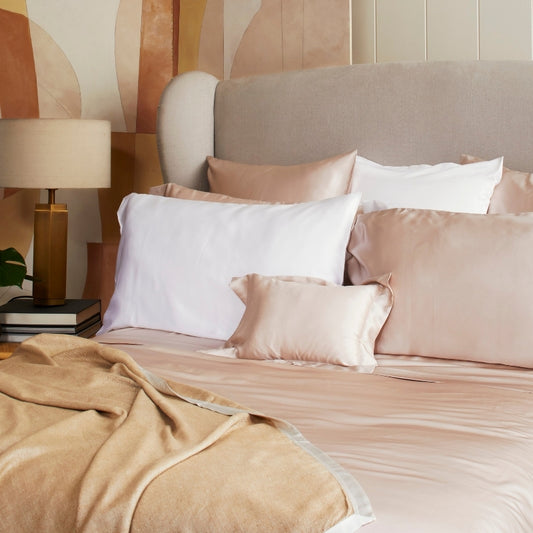
The best hypoallergenic bedding works because of what it's made from, not what's been added to it. For most allergy-prone sleepers, that material is silk. Silk repels dust mites, mold, and bacteria through properties that are entirely natural, requiring no chemical treatment to activate. It’s why silk has been at the heart of what we do at Gingerlily for over 20 years, and why sensitive sleepers consistently come back to it.
This guide works through what hypoallergenic bedding actually means, how the main materials stack up, and why silk leads the field, alongside guidance on building a complete allergy-friendly sleep setup.
Best Hypoallergenic Bedding at a Glance
Short on time? Here is how the key materials rank for allergy-prone sleepers, from most to least effective:
-
Silk – the strongest natural hypoallergenic option; repels dust mites, lowest friction against skin, temperature-regulating
-
Organic cotton – breathable and accessible; absorbs moisture over time, which can work against it
-
Bamboo (OEKO-TEX certified) – effective moisture-wicking; only reliable when independently certified
-
Linen – naturally cool and breathable; coarser feel that softens gradually
-
Wool – resists dust mites naturally; heavier and warmer than most alternatives
-
Tencel – smooth and moisture-wicking; a processed fiber rather than a fully natural one
-
Synthetic fabrics (polyester, microfiber) – generally the worst choice; trap heat and moisture
Explore Gingerlily’s silk bedding range
What Is Hypoallergenic Bedding?
Hypoallergenic bedding is made from materials that reduce the risk of an allergic reaction during sleep. Most often this means fabrics that resist dust mites (the most prevalent indoor allergen) though the strongest options also repel mold, mildew, bacteria, and pet dander, making them suitable for sensitive skin, eczema, and asthma sufferers.
One thing worth knowing: “hypoallergenic” has no regulated definition in the US. Any product can carry the label regardless of what it’s actually made from. That makes the material itself, and any third-party certifications it holds, far more reliable guides than the label alone.
Why Bedding Makes a Difference to Allergies
Your bed is one of the highest-exposure allergen environments in the home. Dust mites feed on shed skin cells and thrive in warm, humid conditions – exactly what most conventional bedding provides. According to the Asthma and Allergy Foundation of America (aafa.org), dust mite allergies affect an estimated 20 million Americans, and their waste particles are a leading trigger for rhinitis, nighttime asthma, and eczema flare-ups.
Mold spores and pet dander add to the load. The right bedding reduces these exposures by either naturally repelling allergens or denying them the warmth and humidity they depend on. For someone sleeping eight hours a night on an allergy-unfriendly surface, the effect on symptom severity is cumulative.
How the Main Bedding Materials Compare
An honest look at the materials allergy sufferers most commonly weigh up, from the most effective to those worth avoiding.
Silk

Silk is our top recommendation for allergy-prone sleepers, and the reasoning is straightforward. Mulberry silk contains sericin, a natural protein that resists dust mites, mold, and bacteria at the fiber level – not through a finish that washes out, but as a permanent property of the material. There are no coatings, no treatments, and nothing that degrades with repeated washing.
Silk’s surface is the smoothest of any natural bedding fabric, which reduces overnight friction against sensitive or inflamed skin. It wicks perspiration away from the body without holding onto it, keeping the sleep environment drier. This is important because humidity is precisely what dust mites need to multiply. And because it regulates body temperature rather than trapping heat, it avoids the warm, damp conditions that allow allergens to thrive.
The trade-offs are cost and care requirements. Silk is a premium material, and it needs gentle handling. For those managing allergies or sensitive skin, it’s a worthwhile investment.
Read Our Complete Guide to Mulberry Silk
Cotton
In its organic form, cotton is a solid choice for allergy sufferers. However, conventional cotton goes through intensive chemical processing and is often blended with polyester – both of which reduce its allergy-friendly credentials. Organic cotton avoids those chemical residues and keeps its natural breathability, making it a good accessible option for sensitive sleepers.
Its main limitation is moisture: organic cotton absorbs perspiration and body oils over time, and between washes it can build up the humidity dust mites prefer. Look for GOTS (Global Organic Textile Standard) certification as confirmation of genuine organic production, and wash frequently at high temperature.
Bamboo
Bamboo has real allergy-friendly potential. The plant contains bamboo kun, a bioactive compound that disrupts bacterial growth, and bamboo fabrics wick moisture well. The issue is that converting bamboo into soft bedding typically involves a chemical-intensive viscose process that strips out most of the plant’s original properties. The end result is largely a form of rayon, with varying quality depending on how it was processed.
OEKO-TEX Standard 100 certified bamboo is a meaningfully different product – independently tested for harmful residues, and genuinely moisture-wicking.
Tencel / Lyocell
Tencel is produced from sustainably harvested wood pulp using a closed-loop solvent process that recovers the majority of its chemicals, making it a more environmentally considered option than bamboo viscose. The resulting fiber is smooth, breathable, and resists microbial growth. OEKO-TEX certified Tencel is a credible option for eco-conscious sleepers with sensitivities, though it remains a manufactured fiber rather than a natural one, and its allergy-resistant properties are less inherent than silk or wool.
Linen
Made from flax, linen is one of the more naturally allergy-friendly fabrics available. Its fiber structure repels dust mites, wicks moisture efficiently, and its production involves fewer chemical inputs than most alternatives. Linen keeps the sleep environment cool – actively discouraging the warmth and humidity allergens depend on.
The honest limitation is texture: linen has a characteristic crispness that is quite different from silk or cotton, and while it softens with repeated washing, it never becomes truly smooth. For hot sleepers in warmer climates, it’s a strong choice; for eczema sufferers or anyone with skin friction sensitivity, silk remains preferable.
Wool
Wool is a more effective allergy-friendly material than most people give it credit for. It naturally resists dust mites and mold, its antimicrobial properties are well documented, and it regulates temperature well across seasons. Wool comforters and pillows suit a wide range of allergy sufferers, particularly those who sleep cold. The main drawbacks are weight and surface feel – heavier than silk and less smooth against skin, which matters for those with eczema or contact sensitivity.
What to Avoid
Synthetic fabrics (polyester, acrylic, microfiber blends) are the worst choice for allergy-prone sleepers. They trap body heat and moisture, creating exactly the conditions dust mites and mold need to establish. Many also carry chemical finishes: wrinkle-resistant, stain-repellent, or no-iron treatments are typically formaldehyde-based and are known skin irritants. A “hypoallergenic” label on a polyester-blend sheet should be treated with scepticism unless backed by OEKO-TEX or equivalent certification.
Hypoallergenic Bedding: Material Comparison
A direct comparison across the performance factors that matter most for allergy-prone sleepers.
Material
|
Dust Mite Resistance
|
Moisture Wicking
|
Feel / Friction
|
Temperature
|
Best For
|
|
Silk
|
Excellent – natural sericin protein
|
Excellent
|
Smoothest; minimal friction
|
Regulating year-round
|
Allergy-prone sleepers; eczema; asthma
|
|
Organic Cotton
|
Good when pure and certified
|
Moderate; absorbs moisture
|
Soft, breathable
|
Cool
|
Budget-conscious allergy sufferers
|
|
Bamboo (OEKO-TEX)
|
Good
|
Excellent
|
Soft
|
Cool
|
Hot sleepers prioritising moisture control
|
|
Linen
|
Good
|
Good
|
Crisp; softens with use
|
Very cool
|
Hot, humid sleepers
|
|
Wool
|
Excellent – natural
|
Good
|
Heavier; less smooth
|
Warm, regulating
|
Cold sleepers; year-round comforters
|
|
Tencel
|
Moderate
|
Good
|
Smooth
|
Cool
|
Eco-conscious; sensitive skin
|
|
Synthetic
|
Poor
|
Poor
|
Variable
|
Traps heat
|
Avoid for allergies
|
Silk vs Bamboo Bedding for Allergies: Which Is Best?
Silk and bamboo are the two materials most often compared by people looking for allergy friendly bedding. Both resist bacteria and wick moisture, but their approaches differ enough to matter.
Certified bamboo manages moisture well, keeping the sleep surface drier and indirectly limiting dust mite growth. Silk works more directly: its sericin protein actively repels mites regardless of humidity levels, and its surface is smoother than any bamboo weave – an advantage for reactive skin that bamboo’s slightly more textured construction doesn’t replicate.
Processing is the other consideration. Silk is labour-intensive to produce but involves no chemical conversion of the fiber; the sericin present in raw mulberry silk is present in finished Gingerlily bedding, unchanged. Most bamboo on the market has been converted to viscose through a chemically intensive process that leaves little of the plant’s original biology intact. Certified bamboo narrows this gap, but for allergy sufferers where certainty matters, silk is the more straightforward choice.
What to Look for When Buying Hypoallergenic Bedding
Since the hypoallergenic label carries no legal weight in the US, these are the factors that actually matter:
Fiber origin
Natural fibers (silk, wool, linen, certified organic cotton) whose allergy-resistant properties are intrinsic to the material are more reliable than synthetics or chemically processed alternatives whose properties may degrade with washing. Ask whether the fiber’s benefits are natural or treatment-dependent.
Third-party certification
OEKO-TEX Standard 100 certification confirms the finished textile has been independently tested for harmful substances: formaldehyde, pesticide residues, heavy metals, and other known irritants. GOTS certification additionally verifies organic standards across the entire supply chain, from growing to processing, for cotton products. Neither is a requirement for the hypoallergenic label, which is precisely why they matter.
Weave construction
Tighter weaves create a more effective physical barrier against allergen accumulation. Percale cotton weaves and silk’s naturally tight filament structure both limit the spaces where dust mites and their waste can settle. Loosely woven fabrics, however soft, offer less protection.
Chemical finishes
Wrinkle-resistant, no-iron, and stain-repellent finishes are almost always applied using formaldehyde-based or fluorochemical treatments. For sensitive sleepers, these are counterproductive regardless of how the product is labelled. If a product makes any of these claims, look for independent certification before buying.
At Gingerlily, all silk bedding carries OEKO-TEX Standard 100 certification – independently tested for harmful substances, so you don't have to take our word for it.
Is Down Hypoallergenic?
Down itself is not a significant allergen for the majority of people – the primary problem with down bedding is what accumulates inside it. Down’s insulating structure creates ideal conditions for moisture retention, and without regular professional cleaning, mite populations and mold can establish in poorly maintained down products. Many people who believe they are reacting to down are in fact reacting to what has been allowed to build up within it over time.
For those who want the warmth and loft of down without the allergen management complexity, a silk-filled comforter offers a comparable drape and warmth-to-weight ratio with none of the same accumulation risk. Down-alternative fills made from polyester fibers address some maintenance concerns but introduce their own issues for sensitive sleepers, including heat retention and synthetic chemical finishes.
Read Our Guide: Silk vs Down Duvet – Which Is Better?
Best Anti-Allergy Comforter

Gingerlily’s silk-filled, silk-covered comforter is constructed entirely from 6A-grade, long-strand mulberry silk – a silk floss fill of the highest available grade, encased in pure mulberry silk. The sericin in the filling resists mites and bacteria naturally; the smooth casing reduces friction across the sleep surface; and silk’s thermoregulating properties keep the environment cool and dry rather than warm and damp.
Available in four weights (summer, all-seasons, half summer / half all seasons and winter) each designed to work independently or layered together. The summer weight features buttons and ties that allow it to attach directly to the all-seasons or winter weight, giving you a flexible system that adapts to the season without introducing a second material.
Shop Gingerlily Silk Comforters
Best Hypoallergenic Pillow

Paired with a silk comforter, Gingerlily’s silk-filled pillow extends the allergen-resistant environment to the surface closest to your face. The same 6A-grade silk floss fill and pure mulberry silk casing construction applies throughout: silk doesn’t hold onto body heat, oils, or overnight perspiration the way cotton and synthetic fills do, which keeps the surface cleaner and less hospitable to bacteria and mites between washes. For those with facial eczema or skin sensitivity, the smoothness of the casing against skin through the night makes a noticeable difference.
Shop Gingerlily Silk Pillows
Best Hypoallergenic Pillowcases and Duvet Covers

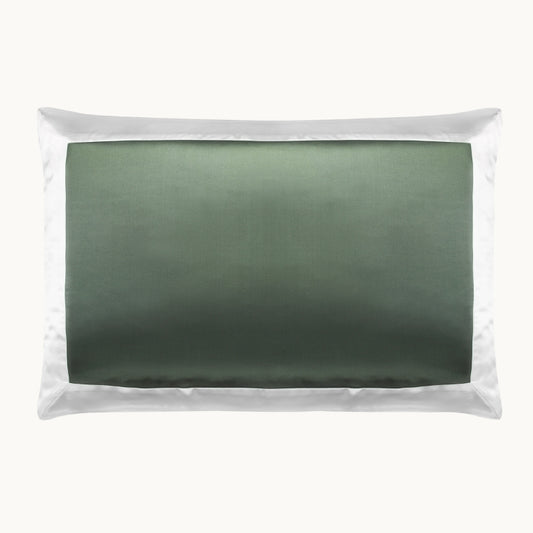
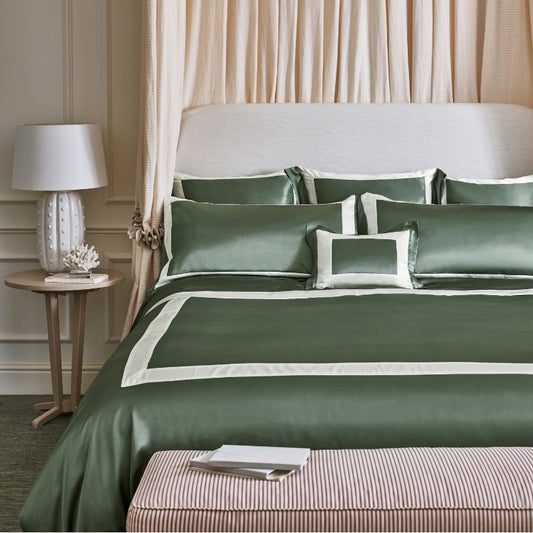
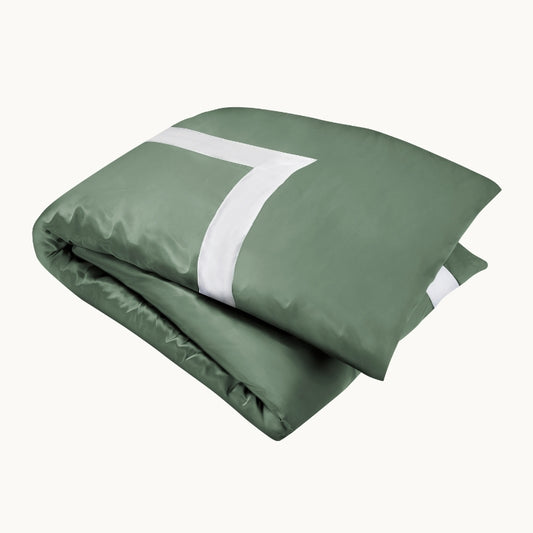
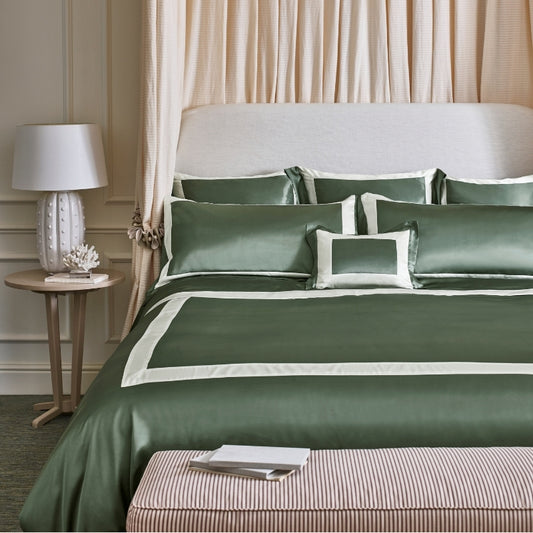
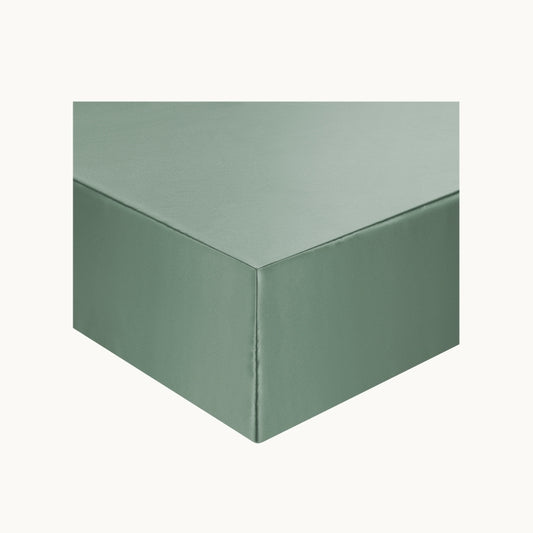
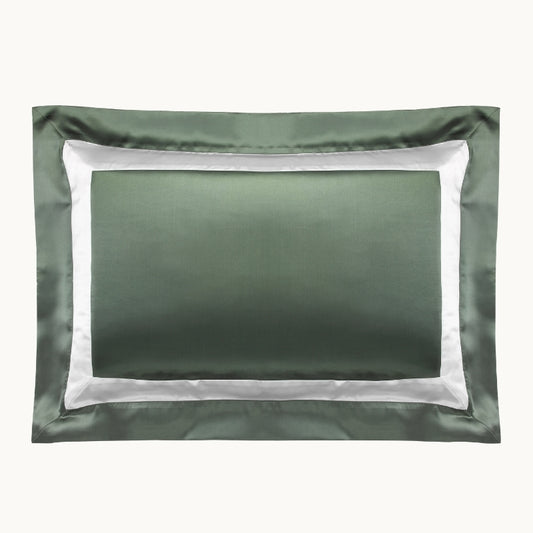
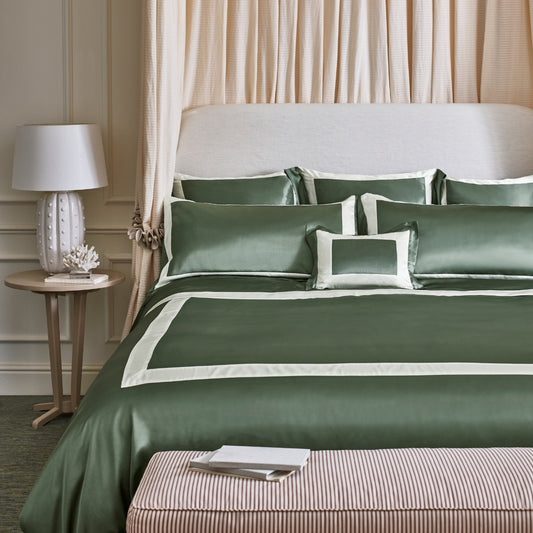
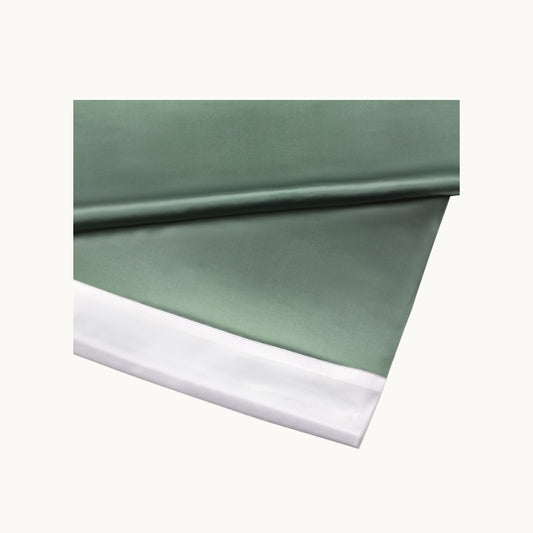
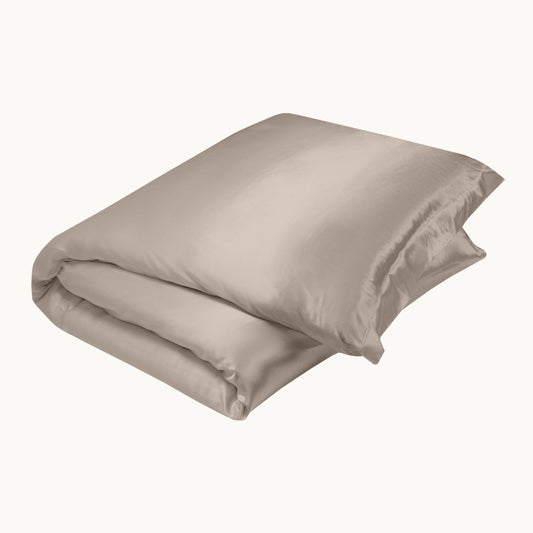
Encasing a silk comforter and pillow in silk bed linen completes the allergen-resistant sleep environment. Gingerlily's silk pillowcases and duvet covers extend the same low-friction, dust-mite-resistant surface across the whole bed.
A silk pillowcase is often the most impactful single switch for those with facial eczema, sensitive skin, or hair that reacts to friction overnight – it’s in direct contact with skin for the entirety of sleep.
Shop Gingerlily Silk Pillowcases
Shop Gingerlily Silk Duvet Covers
Best Hypoallergenic Mattress Topper

Gingerlily's silk mattress topper adds a further layer of protection between you and the mattress – where allergen accumulation is hardest to address. Silk’s natural resistance to dust mites, mold, and bacteria applies throughout, and its thermoregulating properties help keep the sleep surface cool and dry. Combined with a breathable mattress encasement, a silk topper significantly reduces the allergen load across the entire bed.
Shop Gingerlily Silk Mattress Toppers
FAQs: Best Bed Sheets for Allergy Sufferers
What is the most hypoallergenic bedding material?
Silk is the most naturally hypoallergenic bedding material available. Mulberry silk contains sericin, a protein that actively resists dust mites, mold, and bacteria without any chemical treatment – making its allergy-resistant properties inherent to the fiber rather than dependent on processing or finishes that degrade over time. Its smooth surface also reduces friction against sensitive skin, which materials like cotton and bamboo cannot replicate to the same degree. For allergy-prone sleepers who want the most effective natural solution, silk leads the field.
Is silk or bamboo better for allergies?
moisture, but silk’s hypoallergenic properties come from its natural sericin protein content and require no chemical processing to function. Most bamboo bedding is bamboo viscose – a chemically converted fiber that retains little of the plant’s original biology. Only OEKO-TEX certified bamboo provides meaningful independent assurance about what remains in the finished fabric. Silk also has a smoother surface, which matters for anyone with skin sensitivity or eczema. For certainty, silk is the cleaner answer; for moisture management on a tighter budget, OEKO-TEX certified bamboo is a credible second.
What bedding is best for eczema?
Silk is the most consistently recommended bedding material for eczema sufferers. Its fiber surface produces minimal friction against skin – a key consideration, given that overnight drag from rougher fabrics can inflame already-compromised skin. Silk is also naturally hypoallergenic, resisting the dust mites and bacteria that frequently trigger eczema flare-ups, and its moisture-wicking properties prevent the overnight heat and humidity that worsen symptoms. A silk pillowcase is often the most impactful starting point, given the sustained contact it has with facial skin through the night.
Does hypoallergenic bedding actually work?
Yes – provided the material’s allergy-resistant properties are genuine rather than a marketing claim. Naturally hypoallergenic materials like silk and wool actively resist dust mites and bacteria through inherent fiber properties, and the clinical evidence linking reduced dust mite exposure to improved allergy and asthma symptoms is well established. The caveat is that “hypoallergenic” is an unregulated term in the US, many products use it loosely. The bedding is also part of a broader system: it works best alongside regular washing at the correct temperature, mattress and pillow encasements, and controlled bedroom humidity. No material eliminates allergens entirely, but the right choice meaningfully reduces sustained exposure during sleep.